Kids Think Happy Cartoon: Vibrant Graphics & Illustrations
As a brand designer and content marketer, my first step in any campaign is auditing the visual assets to ensure they align with our strategic goals. When I recently reviewed Kids Think Happy Cartoon, I was immediately struck by its potential to inject genuine warmth into a project. In an era where digital fatigue is real, finding a graphic design asset that feels authentic rather than sterile is a significant win. This piece isn't just a cute image; it is a strategic tool for building audience trust and fostering emotional connections.
First Impressions: Setting the Emotional Tone
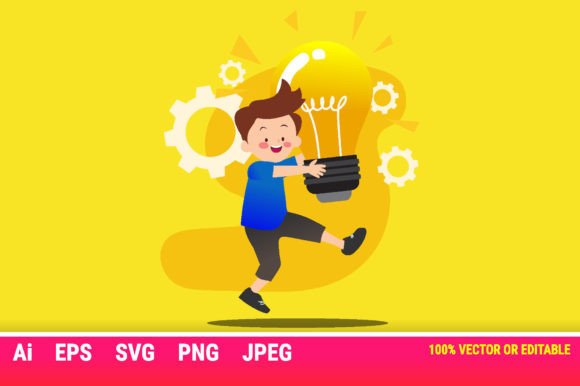
The initial mood created by Kids Think Happy Cartoon is one of unbridled optimism and approachability. The lines are clean, the expressions are inviting, and the overall composition suggests a narrative of joy. For brands operating in the lifestyle, education, or family-oriented sectors, this emotional tone is invaluable. It signals to the viewer that the brand is friendly, safe, and human-centric. However, from a professional branding perspective, it is crucial to assess whether this casual, cheerful vibe fits your specific identity. While it excels in small business branding for handmade goods or community events, it might require careful styling to fit a more corporate or luxury aesthetic without looking out of place.
Integrating the Asset into Real Marketing Workflows
To test the versatility of this illustration, I imagined a scenario where a small business is launching a new line of eco-friendly children's books. The goal is to create a cohesive design bundle that spans multiple touchpoints. Here is how Kids Think Happy Cartoon performs across various mediums:
- Social Media Graphics: The asset serves as a perfect focal point for Instagram posts and Pinterest pins, breaking up text-heavy feeds with a splash of personality.
- Packaging Design: When scaled for product labels or box inserts, the high resolution ensures crisp edges, making the unboxing experience feel premium yet playful.
- Digital Ads: In Facebook or Google display ads, the character draws the eye immediately, improving click-through rates by offering a visual hook.
- Email Banners: Placed at the top of a newsletter, it sets a positive tone for the content below, increasing open and engagement rates.
- Printable Promotions: Whether used on event flyers or stickers, the vector format allows for infinite scaling without quality loss.
The ability to use this file for business cards, merchandise, and even website headers demonstrates its flexibility as a core component of a broader brand identity.
Strategic Advantages for Content Creators
Why choose this specific creative design over generic stock photos? The answer lies in consistency and recognition. Using a unique clipart or illustration style helps build a recognizable visual language. When customers see Kids Think Happy Cartoon repeatedly across your marketing visuals, from your Canva template stories to your blog graphics, it reinforces brand recall. This consistency leads to a stronger visual hierarchy, guiding the audience's eye exactly where you want it to go. Furthermore, because the file is ready to use and comes in a 100% vector format, it eliminates the technical headaches often associated with low-resolution PNG design files or pixelated images.
Ideal Applications and Placement
This asset shines brightest when used as a hero graphic or a decorative brand element. It is particularly effective in:
- Campaign Headers: Anchoring a landing page with this image instantly communicates the campaign's friendly nature.
- Product Launch Visuals: Adding a human (or character) element to a new product reveal makes the offer feel less transactional and more relational.
- Content Bundles: Including this in a media kit or lead magnet adds perceived value and charm.
- Editorial Layouts: Breaking up long-form content in blogs or eBooks with this illustration keeps readers engaged.
For digital sellers and online coaches, incorporating such high-quality graphics into course materials or downloadable guides can significantly enhance the user experience.
Critical Considerations and Limitations
While Kids Think Happy Cartoon is a powerful tool, it must be used with discernment. There are scenarios where this level of whimsy might undermine the message. For instance, in formal corporate branding or dense information layouts like financial reports, the playful nature of the character could distract from the seriousness of the data. Similarly, on small mobile graphics where space is at a premium, ensure the details remain clear and do not clutter the interface. Avoid placing it on low-contrast backgrounds where the lines might get lost, and be cautious in text-heavy ads where the illustration might compete with the primary call to action. The key is balance; the asset should support the message, not overpower it.
Designer Notes for Implementation
Before finalizing any campaign using Kids Think Happy Cartoon, I recommend a rigorous testing phase. First, test the illustration against your specific brand color palette. Does it harmonize, or does it clash? Next, check its performance in black and white to ensure it holds up in monochrome print situations. Always preview your designs on actual mobile screens, as what looks good on a desktop monitor may lose impact on a smartphone.
Typography pairing is also critical. This illustration pairs beautifully with rounded sans serif fonts for a modern look, or handwritten fonts for a personal touch. However, avoid overly rigid serif fonts unless you are aiming for a specific eclectic contrast. Finally, and most importantly, always review the licensing terms. Ensure you have the appropriate commercial license before using this digital product in paid campaigns, client work, or for resale items. Confirming these details protects your business and ensures your modern design efforts are built on a solid legal foundation.
In conclusion, Kids Think Happy Cartoon is more than just a pretty picture; it is a versatile graphic design asset capable of elevating content marketing strategies. By understanding its strengths and limitations, brand owners and creators can leverage this illustration to create memorable, engaging, and professionally polished campaigns that resonate deeply with their target audience.