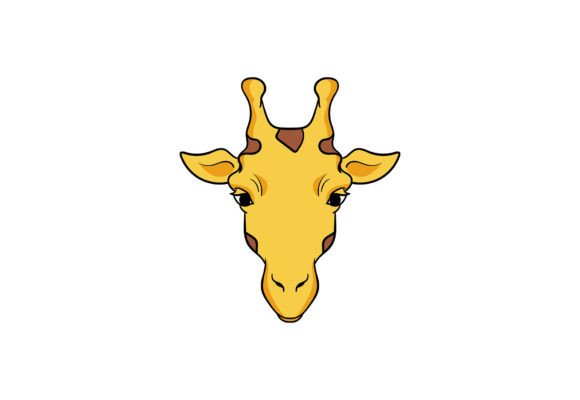
Giraffe Illustration Art: Graphics & Illustrations Review
As a designer who spends most of my week juggling brand identities for boutique clients and creating marketing visuals for small business owners, I am always on the hunt for assets that strike the right balance between whimsy and professionalism. Recently, I came across Giraffe Illustration Art while scouting resources for a new handmade baby clothing line. The client wanted a visual direction that felt gentle, organic, and slightly playful without veering into childish cartoon territory. My first impression of this graphic design asset was immediate; it carries a sweet, approachable mood that feels perfectly suited for modern design trends in the nursery and lifestyle sectors.
The style of these illustrations leans heavily into a hand-drawn aesthetic, which is crucial for brands trying to establish an emotional connection with their audience. Unlike stiff, corporate stock photography, this wildlife vector graphic brings a sense of warmth and personality. When I placed the asset into a preliminary layout for the client's packaging design, it instantly softened the overall look. It creates a visual narrative that says "cared for" and "natural," which is exactly what parents look for when buying products for their children. This type of creative design is not just a picture; it is a storytelling element that can define the tone of an entire campaign.
Real-World Application in Branding and Merchandise
In my experience, the true test of any digital product is how well it performs across various mediums. I evaluated this asset specifically for its versatility in real client projects. For logo design, the clean lines of the giraffe illustration offer a strong foundation. It works exceptionally well as a primary mark for a boutique or as a secondary icon for social media profiles. Because the shapes are distinct, it scales beautifully from a tiny favicon on a website to a large hero graphic on a landing page.
Beyond branding, I explored its potential for physical goods. For t-shirt design and tote bags, the illustration holds up well against fabric textures. If you are running a print-on-demand shop or an Etsy product store, this kind of clipart is gold. It allows you to create themed collections quickly without needing to draw everything from scratch. I also tested it for sticker design and sublimation design on mugs. The details are crisp enough to remain visible even when printed on smaller surfaces, provided you use high-resolution files. For Cricut users and crafters, if an SVG version is available, this asset becomes even more valuable for creating custom decals and iron-ons.
For content creators and bloggers, integrating this into social media graphics can boost engagement. Pinterest pins and Instagram posts featuring cute animal illustrations often see higher click-through rates because they stop the scroll. I could easily see this being used in a Canva template for a parenting blog or a wildlife education series. It adds that necessary pop of visual interest that keeps the audience engaged without distracting from the core message.
Strategic Placement and Visual Hierarchy
Knowing where to place Giraffe Illustration Art is just as important as knowing how to use it. This asset shines in large layout areas where it can breathe. It works best as a focal point on product mockups, a decorative accent on invitation cards, or a central element in editorial design for children's books. In packaging design, placing it on a neutral background allows the character of the giraffe to take center stage, enhancing the perceived value of the product inside.
However, caution is required when using this in crowded layouts. Because the illustration has a certain level of detail and organic flow, it can get lost if surrounded by too many other elements. I would advise against using it in minimalist branding projects that rely on ultra-thin typography and vast negative space, as the stylistic mismatch might confuse the viewer. Similarly, be careful with complex backgrounds. If you place this wildlife vector graphic over a busy pattern or a low-contrast photo, you risk losing the definition of the giraffe's features. Always ensure there is enough separation between the art and the background to maintain a clean visual hierarchy.
Impact on Readability and Brand Perception
One of the biggest concerns when introducing illustrative elements is how they affect readability and brand consistency. In my review, I found that this asset actually aids in guiding the eye. When paired with the right typography—such as a rounded sans serif font or a friendly handwritten font—it creates a cohesive unit that feels professional yet accessible. It builds visual trust; customers subconsciously associate high-quality, well-chosen illustrations with a brand that cares about details.
Emotionally, the appeal is undeniable. For a small business branding project, this kind of imagery can trigger feelings of nostalgia and comfort. It makes the brand feel human. However, if your client is a law firm or a high-tech startup, this specific style might undermine the seriousness required for those industries. It is essential to match the emotional tone of the illustration with the goals of the business. For the right niche, though, it elevates the overall impression of the design project from generic to bespoke.
Practical Designer Notes and Technical Checks
Before handing over final files to a client or uploading to a commercial marketplace, I always run a strict checklist. Here is how I approached Giraffe Illustration Art:
- Contrast Testing: I tested the image in black and white to ensure the silhouette remains recognizable without color. This is vital for single-color printing methods like screen printing or embossing.
- Background Verification: I checked the PNG transparency thoroughly. A halo effect around the edges can ruin a professional look, so inspecting the alpha channel is a must.
- Scalability: I previewed the asset at both very small sizes (for favicons) and very large sizes (for banners) to check for pixelation or loss of detail.
- File Formats: I confirmed the availability of vector formats like SVG or EPS. Having an editable vector is non-negotiable for logo design and large-scale printing, as it allows for infinite scaling and color adjustments.
- Typography Pairing: I experimented with pairing the giraffe against serif, sans serif, script, and display fonts. I found that a soft, rounded sans serif complemented the curves of the animal best, while a bold display font worked well for headlines on posters.
- Licensing: Most importantly, I reviewed the commercial license. Whether you are using this for a client project or selling it as part of a design bundle on a creative marketplace, understanding the rights regarding redistribution and modification is critical to avoid legal issues.
In conclusion, Giraffe Illustration Art is a versatile and charming asset that holds significant value for designers working in the lifestyle, parenting, and education niches. It transforms standard marketing visuals into something memorable and engaging. While it requires thoughtful placement to avoid clutter, its ability to convey warmth and professionalism makes it a standout choice for anyone looking to elevate their creative design portfolio. If you are asking yourself, "Is this animal vector just right for you?" the answer for most boutique and handmade businesses is a resounding yes. It is a tool that, when used with intention, can amaze your customers and give your brand identity the sweet, polished sign it needs to succeed.