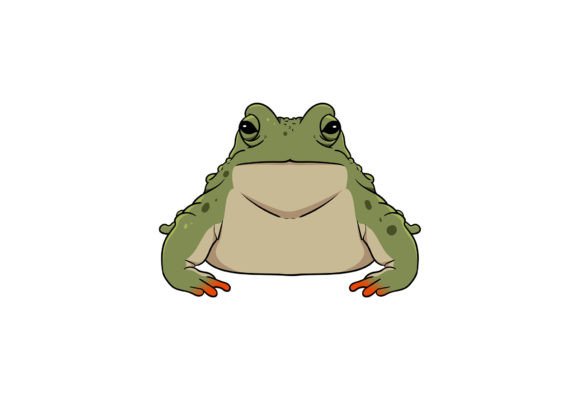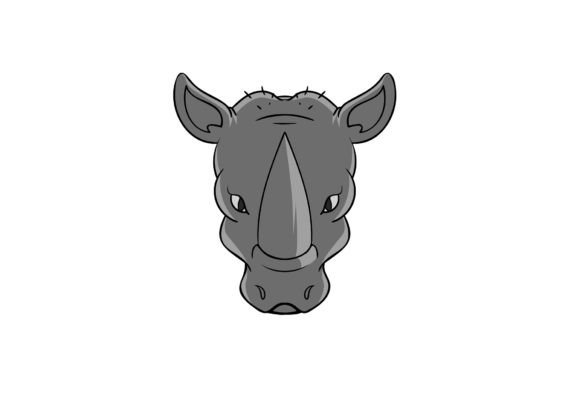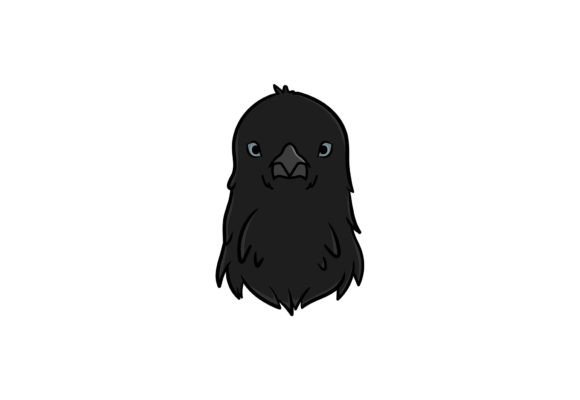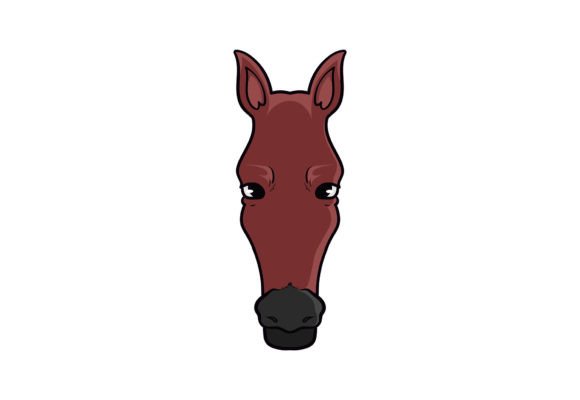
Chicken Illustration Art: Graphics for Branding
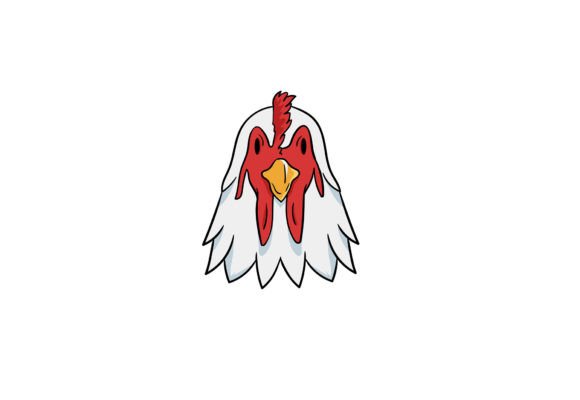
As a graphic designer, my first step with any new asset is to gauge its "client readiness." When I opened the files for Chicken Illustration Art, the immediate impression was one of approachable warmth. This isn't just a generic barnyard sketch; it is a curated collection of graphics and illustrations that balances whimsical charm with enough structural integrity to serve professional branding needs. The mood created here is distinctly artisanal, evoking feelings of freshness, organic quality, and homegrown authenticity. For a designer working in the current market, where consumers crave transparency and a connection to the source, this visual style is incredibly potent.
Defining the Visual Mood and Client Fit
The aesthetic of this asset leans heavily into the "modern handmade" vibe. The lines are clean but retain a slight organic flow, avoiding the sterile perfection of corporate clipart while maintaining the scalability required for vector work. This makes Chicken Illustration Art an ideal candidate for specific client profiles. I immediately pictured this working for a local farm-to-table bakery, a boutique egg distributor, or a children's book publisher looking for friendly character design. It fits seamlessly into projects that require a touch of nostalgia without feeling dated. If you are building a brand identity for a small business that wants to appear friendly and accessible rather than cold and industrial, these visuals provide an instant emotional hook.
Real-World Application in Brand Identity and Packaging
In a recent conceptual project for a hypothetical organic skincare line using natural ingredients, I tested how these graphics performed as central logo elements. The result was promising. The Chicken Illustration Art served as a strong anchor for the logo design, offering a unique mascot that differentiated the brand from competitors using standard leaf or drop icons. Beyond the logo, the versatility shines in packaging design. Imagine a kraft paper bag for coffee beans or a label for artisanal soap; placing these illustrations alongside a bold sans-serif font creates a striking contrast that feels both premium and grounded.
For product labels and stickers, the clarity of the lines ensures that the details remain visible even when scaled down for a jar lid or a thank-you card included in a shipment. This asset transforms a simple package into a cohesive brand experience. It works exceptionally well for print-on-demand sellers creating tote bags or aprons, where the subject matter naturally aligns with the product's utility. The "sweet" nature of the design, as hinted in the original concept, adds a layer of personality that encourages customers to share their purchases on social media, effectively turning the packaging into marketing visuals.
Digital Versatility: From Social Media to Web Design
The utility of Chicken Illustration Art extends far beyond print. In the realm of digital marketing, these graphics are gold for content creators and bloggers. They function beautifully as hero graphics for blog posts about sustainable living, healthy eating, or rural lifestyle topics. When adapted for social media graphics, such as Instagram carousels or Pinterest pins, the illustrations break up text-heavy layouts and add visual interest that stops the scroll.
For web design, these assets can be used as decorative accents in the footer or as part of a custom "About Us" section to humanize a brand. They are also perfect for creating custom Canva templates that a client can use themselves to maintain brand consistency. Whether it is a digital ad campaign for a seasonal Easter promotion or a year-round emblem for a poultry supplier, the flexibility of the file formats allows for seamless integration across various screen sizes and resolutions.
Strategic Limitations and Where to Exercise Caution
However, professional judgment requires knowing when not to use an asset. While Chicken Illustration Art excels in friendly and organic contexts, it may clash with ultra-minimalist branding or high-end luxury aesthetics that rely on stark abstraction. Using these illustrations in a crowded layout could diminish their impact; they need breathing room to let their character shine. Furthermore, in projects requiring very clean visual hierarchy, such as complex informational posters or technical manuals, the illustrative nature might distract from critical data.
Designers should also be cautious with low-contrast designs. If the illustration is placed on a busy or textured background without a proper container or stroke, the details may get lost. It is not ideally suited for corporate financial reports or legal documents where neutrality is paramount. The strength of this asset lies in its personality, so forcing it into a sterile environment would be a misuse of its potential.
Technical Review and Designer Notes
Before handing over final files to a client, I always run a rigorous technical checklist. With Chicken Illustration Art, here are my practical notes:
- Contrast Testing: Always test the illustration in pure black and white first. This ensures the linework holds up if the client needs a single-color stamp or embroidery file.
- Scalability Check: Preview the asset at both very small sizes (like a favicon or social profile pic) and large formats (like a billboard or trade show banner) to ensure no lines merge or become too thin.
- Mockup Integration: Place the graphic on real product mockups immediately. See how it looks on a ceramic mug versus a cotton t-shirt to gauge texture interaction.
- Typography Pairing: Experiment with different font styles. A handwritten script font enhances the rustic feel, while a geometric sans-serif modernizes the look. Avoid overly ornate serif fonts that might compete with the illustration's details.
- File Format Verification: Confirm the availability of SVG or EPS files for infinite scalability and PNGs with transparent backgrounds for easy digital layering.
- Licensing Confirmation: Crucially, verify the commercial license terms. Ensure the usage rights cover the specific scope of your client's project, whether it is for an Etsy product, a global ad campaign, or a limited-run merchandise line.
Final Verdict on Commercial Viability
In conclusion, Chicken Illustration Art is a robust graphic design asset that offers significant value for designers targeting the handmade business sector, agricultural brands, and family-oriented markets. It successfully bridges the gap between cute clipart and professional branding material. When used with intention—respecting its need for space and appropriate context—it elevates the overall impression of a design project, fostering trust and engagement. For anyone looking to amaze customers with a sweet yet professional sign of quality, this wildlife vector graphic is a perfect fit for creating memorable, market-ready creative designs.