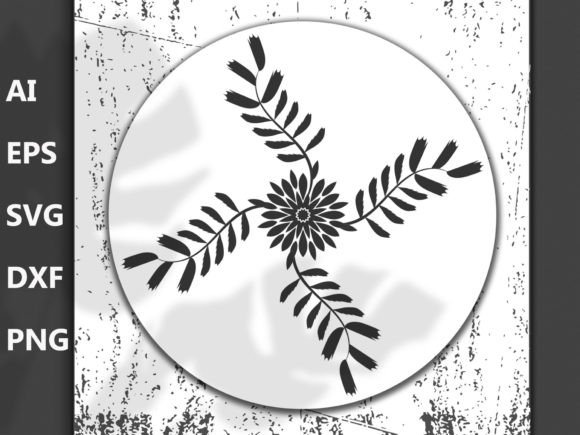
Flower Vector Element 8: A Designer's Review for Embroidery
When I first pulled up Flower Vector Element 8 on my screen, I wasn't just looking at a pretty picture; I was mentally translating pixels into thread. As someone who spends half their life hooped up over a machine and the other half managing a small craft business, my criteria for selecting design assets are strict. It is not enough for an illustration to look good on a monitor; it must survive the tension of the hoop, the pull of the needle, and the wash cycle of a finished garment. This review breaks down how this specific graphic performs when moved from the realm of digital Illustrations into the tangible world of machine embroidery.
First Impressions: Mood and Visual Personality
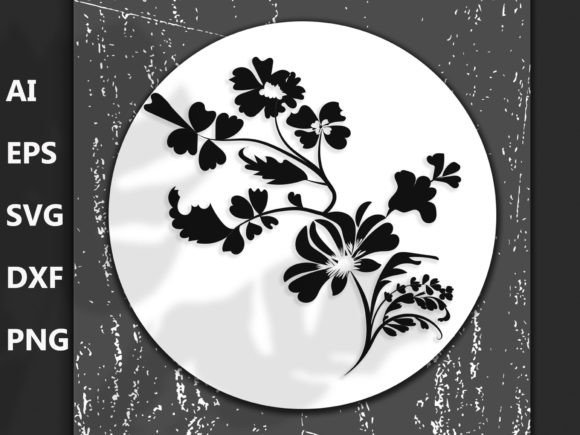
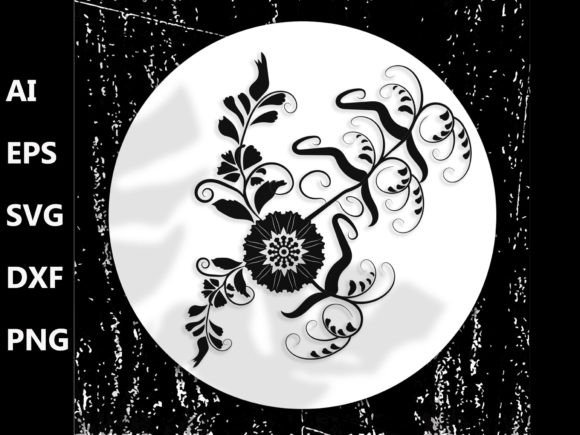
The immediate vibe of Flower Vector Element 8 is one of centered calm. Drawing from the description that mentions its roots in spiritual traditions and mandalas, the design carries a geometric precision that feels intentional rather than decorative. For an embroidery designer, this is promising. Mandalas often rely on symmetry, which translates beautifully into stitch files because our machines excel at repetition and balance. The layout suggests a focal point that draws the eye inward, making it an excellent candidate for projects where you want the viewer to pause and appreciate the detail.
However, the transition from a vector graphic to a stitchable file requires a critical eye. In its native format as a Graphics asset, the lines may appear infinitely sharp. In embroidery, we deal with thread thickness and stitch density. My first thought upon seeing the intricate petals and potential geometric layers was to consider how these would render in satin stitch versus fill stitch. If the details are too tight, they risk becoming a muddy cluster of thread. If they are too open, the fabric might show through in an unappealing way. The visual personality here is sophisticated, suggesting it belongs on higher-end items rather than quick, disposable crafts.
Real-World Application: The Boutique Tote Bag Scenario
To truly test the viability of Flower Vector Element 8, I imagined a specific real-life scenario: creating a line of custom tote bags for a local yoga studio. These aren't just grocery runners; they are branded merchandise meant to be carried daily. Using this design as the central motif on a heavy canvas tote makes sense. The spiritual undertone of the mandala aligns perfectly with the brand identity, and the circular shape fits well within the standard square or rectangular hoops used for bags.
In this context, the design acts as more than just decoration; it becomes a statement piece. When stitched onto a natural or earth-toned canvas, the contrast of the thread colors would pop, giving the handmade product a professional, boutique feel. Customers are increasingly drawn to items that feel meaningful, and a design rooted in focus and guidance adds that layer of depth. For an Etsy seller or small shop owner, this kind of thoughtful integration of design and purpose can justify a higher price point. It transforms a simple bag into a personalized gift or a piece of wearable art.
Beyond tote bags, I can see this working exceptionally well on sweatshirt embroidery. Placed on the back of a oversized crewneck or centered on the chest of a hoodie, the mandala structure provides a balanced look that doesn't get lost in the folds of the fabric. It also holds promise for baby embroidery, perhaps on a muslin swaddle or a nursery pillow cover, where the soothing geometry fits the aesthetic of modern nurseries.
Technical Considerations and Fabric Challenges
While the aesthetic potential is high, practical execution requires caution. One of the biggest hurdles with detailed Illustrations like this is stitch density. If the original vector has very fine lines, converting them directly into a machine embroidery design without adjustment can lead to bird nesting or broken needles. Before committing to a final run, it is crucial to test the design on scrap fabric that matches your final material.
Fabric texture plays a massive role here. On a smooth, tightly woven cotton, the details of Flower Vector Element 8 will likely shine. However, if you attempt this on a textured towel or a stretchy knit without proper stabilization, the definition may blur. For textured fabrics like terry cloth, you might need to simplify the design or use a heavier topping to ensure the stitches sit on top of the loops rather than sinking in. Similarly, for stretchy fabrics used in custom apparel, the choice of stabilizer is non-negotiable. A cut-away stabilizer would be my recommendation to prevent the design from distorting over time as the garment stretches and moves.
Dark fabrics present another challenge. If the design relies on negative space or light thread colors, stitching it onto a black sweatshirt requires careful planning. You may need to adjust the underlay or increase the density of the fill stitches to ensure full coverage. Additionally, curved surfaces like caps can distort circular designs. While a mandala is naturally round, placing it on the front panel of a cap requires precise centering and potentially a smaller hoop size adaptation to avoid hitting the brim or the seams.
Enhancing Brand Value and Customer Trust
Using high-quality design assets like Flower Vector Element 8 directly impacts the perceived value of your finished product. In the world of commercial embroidery, consistency is key to building trust. If you are selling a series of products, using a cohesive set of graphics helps establish brand recognition. This particular design, with its spiritual and focused theme, could become a signature element for a brand centered on wellness, mindfulness, or artisanal quality.
For digital product sellers creating printable mockups, this graphic offers versatility. It can be showcased in various contexts—from aprons to wall art—helping customers visualize the end result before they buy. However, for those selling physical goods, the quality of the stitch-out is the ultimate proof of professionalism. A clean, crisp execution of this mandala tells the customer that care was taken in every step of the process, from file selection to the final trim of the threads.
Practical Notes for the Studio
Before you load this file into your machine, keep these practical steps in mind:
- Check the License: Always verify the licensing terms for design assets. Ensure that your intended use, whether for personal gifts or small shop product sales, is covered.
- Thread Contrast: Test different thread colors against your fabric. Sometimes a monochromatic look works best for mandalas, while other times a vibrant rainbow highlights the geometric segments.
- Stitch Types: Analyze whether the design uses running stitch for outlines or fill stitch for larger areas. Adjustments may be needed to prevent puckering.
- Mockup Testing: Create black and white mockups to check for contrast issues before committing to expensive thread.
- Washability: Consider the end user. If this is for a kitchen towel or a child's item, ensure the stitch density can withstand frequent washing without fraying.
In conclusion, Flower Vector Element 8 is a versatile and meaningful addition to a designer's library. It bridges the gap between spiritual symbolism and modern decor, offering a strong foundation for a variety of embroidery projects. With careful attention to fabric choice, stabilization, and stitch settings, it can elevate a simple piece of cloth into a cherished object. Whether you are decorating a holiday gift, branding a boutique line, or creating a personalized gift for a loved one, this design has the potential to deliver both beauty and substance.