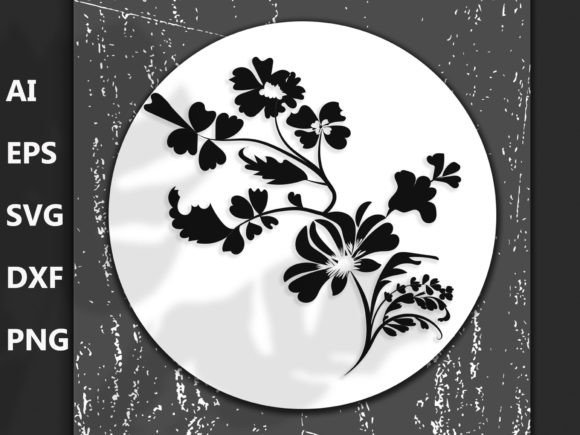
Flower Vector Element 9: A Designer's Take on Mandala Stitching
When I first pulled up Flower Vector Element 9 on my screen, I wasn't just looking at another digital asset; I was immediately visualizing the texture of thread against fabric. As a designer who spends half their life converting Illustrations and Graphics into tangible machine embroidery design files, my first instinct is always to assess the "stitchability" of a shape. This particular piece, rooted in the spiritual tradition of mandalas used for focusing attention, carries a serene, meditative mood that translates beautifully into needlework. However, translating a vector meant for coloring pages or spiritual guidance into a durable embroidery project requires a critical eye. Let's break down how this design performs in the real world, specifically for those of us running craft business operations or creating high-end handmade product lines.
Visual Personality and Project Fit
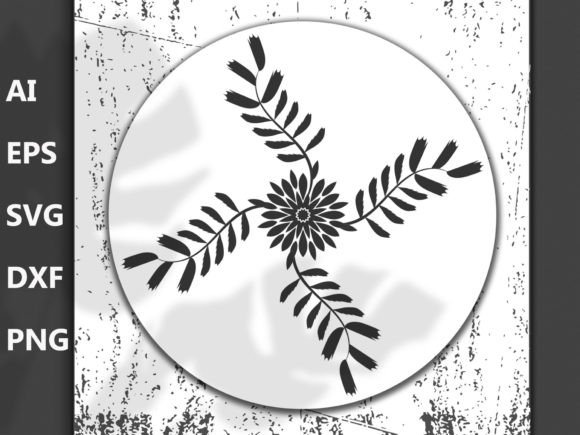
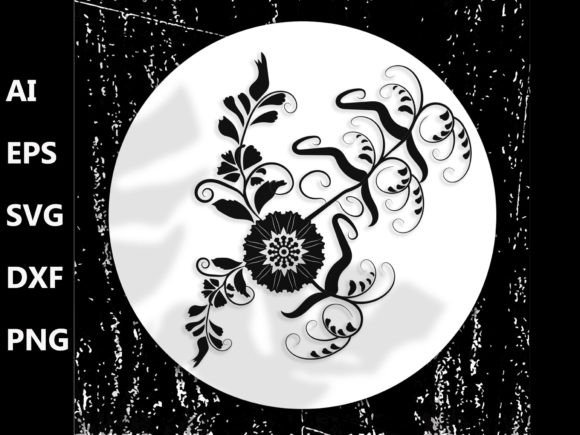
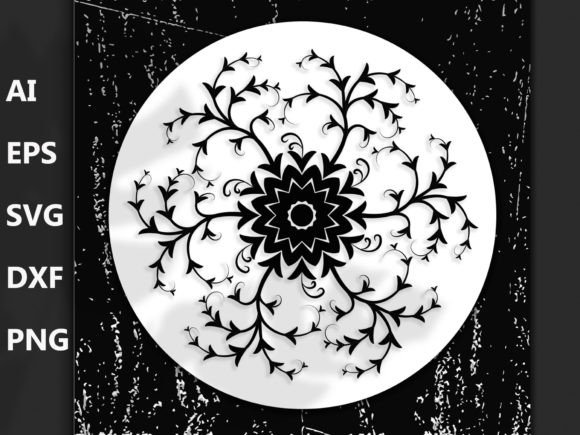
The layout of Flower Vector Element 9 suggests a balanced, radial symmetry that is inherently satisfying to the eye. In the context of embroidery, this symmetry is a double-edged sword; it looks stunning when stitched perfectly but highlights even the slightest tension issues. The theme leans heavily toward mindfulness and nature, making it an ideal candidate for products where the customer seeks calm or personal connection. I can easily see this working as a central motif on a tote bag design intended for yoga enthusiasts or as a subtle chest emblem on a oversized sweatshirt embroidery project.
Unlike aggressive geometric patterns that demand high-contrast thread colors, this floral mandala element feels versatile. It possesses a visual personality that is soft yet structured. For an Etsy seller looking to expand their catalog beyond basic monograms, this type of design assets offers a way to create boutique-level branding. Whether you are aiming for a bohemian aesthetic on a linen apron or a modern spiritual vibe on a canvas pillow cover, the organic flow of the petals combined with the precise center creates a focal point that draws the viewer in without overwhelming the garment.
Real-World Application: The Custom Tote Scenario
To truly test the viability of Flower Vector Element 9, let's walk through a specific real-life scenario. Imagine a client orders a set of five custom tote bags for a bridal party, requesting a theme of "grounding and growth." This design fits that brief perfectly. However, before loading the digital embroidery file into the machine, I have to consider the fabric texture. Tote bags are often made of heavy cotton or canvas, which can be tricky.
If I were to stitch this directly onto a standard canvas tote, the stitch density would need careful management. If the original vector implies dense filling, converting it directly could result in a stiff, cardboard-like patch that ruins the drape of the bag. In this case, I might opt for a combination of satin stitch for the outer petals to keep them flexible and a lighter fill stitch or even open running stitch details for the inner mandala sections. This approach ensures the finished product remains usable and washable, rather than becoming a rigid decoration. The reaction from the end-user would likely be one of appreciation for the thoughtful detail, provided the stitching doesn't pucker the fabric.
Navigating Fabric Challenges and Hoop Constraints
While Flower Vector Element 9 is visually striking, there are specific scenarios where caution is required. If you are an apparel decorator planning to use this on stretchy fabrics like jersey knits for baby embroidery projects, you must be vigilant. The intricate details of a mandala can easily distort if the fabric shifts during stitching. Here, the choice of stabilizer is non-negotiable; a cut-away stabilizer would be essential to maintain the integrity of the circular design over time.
Furthermore, consider the hoop size. Mandalas often rely on perfect circular geometry. If your machine hoop is slightly smaller than the design dimensions, you might be tempted to scale it down. Be careful: shrinking this design too much for a small cap or a narrow pocket could cause the fine lines to merge, turning distinct petals into a blob of thread. For curved surfaces like caps, the distortion factor is even higher. I would recommend testing this design on a flat surface first before attempting it on a structured hat. Similarly, on dark fabrics, ensure your thread colors provide enough contrast. A low-contrast thread on a navy background might look sophisticated in a mockup but disappear entirely once stitched, losing the spiritual guidance aspect of the pattern.
Enhancing Brand Value and Customer Trust
Using high-quality elements like Flower Vector Element 9 directly impacts your brand consistency and perceived value. When customers receive a personalized gift or a piece of custom apparel featuring a well-executed mandala, it signals professionalism. It tells them that you care about the aesthetics of the small shop product you are selling. In the competitive market of commercial embroidery, where many sellers use generic clipart, offering a unique, spiritually resonant design helps you stand out.
This design also lends itself well to printable mockup creation for your online store. Because the shape is so distinct, it photographs well, allowing potential buyers to visualize the embroidered patch or logo on their own items before purchasing. This visual clarity builds buyer engagement and trust. However, remember that the digital preview is only half the battle; the tactile quality of the actual stitches is what secures repeat customers.
Essential Designer Notes Before Stitching
Before you commit to producing a run of items using Flower Vector Element 9, here are some practical steps to ensure success:
- Test on Scrap Fabric: Always stitch a sample on the exact same material and weight as your final product to check for puckering or registration issues.
- Check Thread Contrast: Verify that your chosen thread colors pop against the specific fabric background, especially if selling on dark garments.
- Review Stitch Density: If the design feels too heavy, consider editing the fill percentage to improve flexibility and reduce thread consumption.
- Confirm Hoop Size: Ensure the design fits comfortably within your available hoop without needing excessive re-hooping, which can misalign the mandala's center.
- Inspect Small Details: Zoom in on the vector to see if any tiny gaps are too small for a needle to traverse cleanly.
- Mockup in Black and White: Convert your digital preview to grayscale to ensure the design holds its form without relying solely on color differentiation.
- Verify Licensing: Since this is categorized under Illustrations and Graphics, double-check the license terms regarding commercial embroidery and resale of finished items.
Ultimately, Flower Vector Element 9 is a potent tool for creators who understand the nuance between a screen image and a stitched reality. With the right preparation and a respect for the limitations of fabric and thread, it can elevate a simple holiday embroidery gift or a daily-use kitchen towel into a piece of art. Just remember, the magic isn't just in the download; it's in the execution.