Unicorn: A Designer's Take on Cute Embroidery Potential
When I first pulled up the Unicorn design file on my screen, my immediate reaction was one of cautious optimism. As someone who spends hours digitizing and stitching for clients, I know that a cute concept on a monitor doesn't always translate perfectly to thread. This piece falls under the category of Illustrations and Graphics, which usually means we are dealing with clean lines and a vector-based origin. For an embroidery designer, this is both a blessing and a potential pitfall. Vector graphics often look crisp digitally, but when converted into a machine embroidery design, those sharp lines can sometimes get lost in stitch density or fabric texture.
The mood of Unicorn is undeniably sweet and girly. It carries that whimsical energy that sells incredibly well in the current market for baby items and boutique apparel. The layout feels balanced, suggesting it was intended as a focal point rather than a tiny accent. However, before I commit this to a client's custom order, I need to think through how it behaves under the needle. Does it have too much fine detail for a textured towel? Will the satin stitches hold up on a stretchy sweatshirt? These are the real questions that determine if a design is just a pretty picture or a viable embroidery project.
Real-World Application: The Boutique Tote Test
To give you a practical sense of how this design performs, let's walk through a real-life scenario I recently considered. Imagine a local boutique owner wants a run of canvas tote bag design items for a spring market. They want something that screams "handmade product" but looks professional enough to justify a higher price point. Unicorn fits this brief naturally. Its theme aligns perfectly with the playful yet polished aesthetic these shops crave.
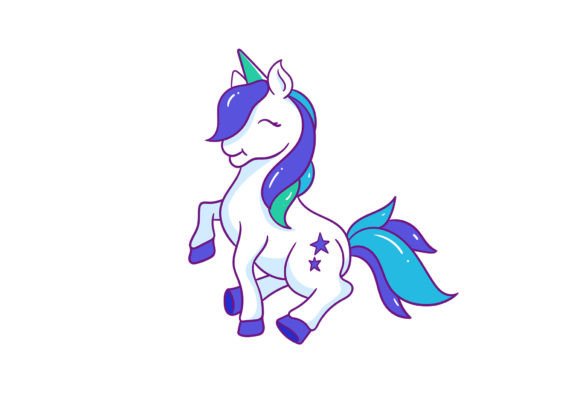
If I were stitching this onto a canvas tote, the flat surface would be ideal. Canvas provides a stable base, reducing the risk of the design distorting during stitching. The visual personality of the unicorn—likely featuring flowing mane details and a distinct horn—would pop nicely against a natural or pastel background. For a finished product like this, the clarity of the shapes is crucial. If the original Graphics file has very thin lines, I would advise checking the stitch density. Too light, and the fabric shows through; too dense, and the fabric puckers. A quick test on scrap canvas would tell me if I need to adjust the underlay or switch to a heavier stabilizer.
Beyond totes, this design shines on sweatshirt embroidery. The soft, cozy vibe of a unicorn matches the comfort of fleece or French terry. However, stretchy fabrics require extra care. If the design relies heavily on long satin stitch columns without proper anchoring, they might gap when the garment is worn. In this case, treating the Unicorn file as a starting point for customization might be wise. Adding a slight border or ensuring the fill areas are robust can elevate the durability of the custom apparel.
Navigating Fabric Challenges and Hoop Constraints
While Unicorn is versatile, it isn't universal. There are specific situations where you need to proceed with caution. For instance, if you are planning to use this on a curved surface like a cap, the layout might need adjustment. Caps are notoriously tricky for detailed Illustrations because the curvature can distort the perspective of the image. If the unicorn's face or horn is central, it might look skewed once stitched onto the front panel of a hat.
Similarly, consider the fabric texture. If you are aiming for a rustic look with a linen tea towel or a waffle-weave kitchen towel, the fine details of the design could get swallowed by the weave. In these cases, a simpler approach or a different stitch type, like a running stitch outline instead of a full fill stitch, might preserve the integrity of the image. Dark fabrics present another challenge. If the thread colors specified in the design don't offer enough contrast against a navy or black background, the magic of the unicorn gets lost. Always test your color palette against the actual garment color.
Hoop size is another critical factor. Without exact dimensions provided in the source description, you must verify the hoop size requirements before purchasing or downloading. If the design is large, it might not fit in a standard 4x4 hoop, limiting its use on smaller items like baby socks or pocket logos. Conversely, if it's too small, scaling it up could result in pixelated or jagged edges if the original digital embroidery file isn't high resolution.
Enhancing Brand Value and Customer Trust
For an Etsy seller or a craft business owner, the choice of design directly impacts brand perception. Using a high-quality, well-executed design like Unicorn signals professionalism. Customers can tell the difference between a sloppy, poorly digitized image and one that has been thoughtfully applied. When a customer receives a personalized gift featuring a crisp, vibrant unicorn, it builds trust. They are more likely to return for future holiday embroidery needs or recommend your small shop product to friends.
This design also works wonderfully for printable mockup creation. Before you even stitch a single thread, you can place the graphic on digital templates to show clients what their embroidered patch or pillow cover could look like. This visual aid helps close sales faster. However, remember that a mockup is an idealization. The real value comes from delivering a physical finished product that matches or exceeds that digital promise.
Practical Notes for the Serious Maker
Before you launch this into production, here are a few essential steps to ensure success:
- Test on Scrap: Never skip this. Stitch Unicorn on the same fabric and stabilizer combination you plan to use for the final item.
- Check Contrast: View your design in black and white to ensure the shapes remain distinct without relying solely on color.
- Verify Licensing: Since this is marketed as a vector graphic and illustration, confirm the license terms. Can you sell the finished product? Can you sell the design assets themselves? Clearing this upfront protects your commercial embroidery business.
- Inspect Details: Look closely at small corners and tight curves. These are common failure points in embroidery where threads can bunch or break.
- Stabilizer Selection: Match your stabilizer to the fabric weight. A heavy design on a light shirt needs a cut-away stabilizer to prevent sagging over time.
In conclusion, Unicorn offers a charming aesthetic that fits seamlessly into the worlds of baby embroidery, boutique fashion, and home decor. Its strength lies in its ability to evoke joy and whimsy. However, its success in your hands depends on your attention to technical details. By respecting the limitations of fabric, hoop size, and stitch mechanics, you can transform this cute graphic into a standout piece that delights customers and strengthens your reputation as a skilled maker. Whether you are creating a one-off personalized gift or a line of merchandise, this design has the potential to be a star performer if handled with the right expertise.