Mandala Ornaments: A Designer's Take on Real-World Stitching
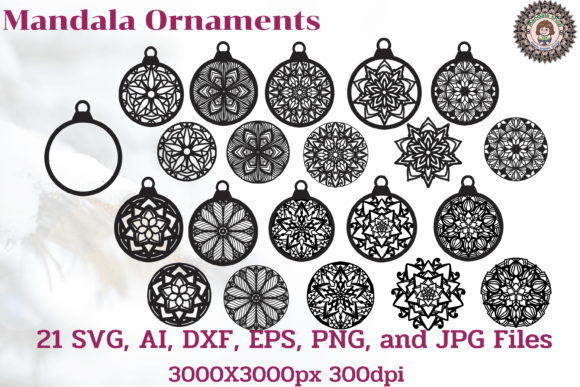
When I first opened the folder for Mandala Ornaments, my immediate reaction wasn't just about the aesthetic appeal, though that is certainly present. As someone who spends hours hunched over embroidery machines and troubleshooting digitized files for clients, my first thought was always practical: "How will this actually stitch out?" In the world of Illustrations and Graphics, a design can look perfect on a screen but fall apart the moment the needle hits the fabric. This collection, described as a unique Mandala in Circle, promises versatility for creative projects, but let's dig into what that means for a real embroidery project.
First Impressions: Mood and Visual Personality
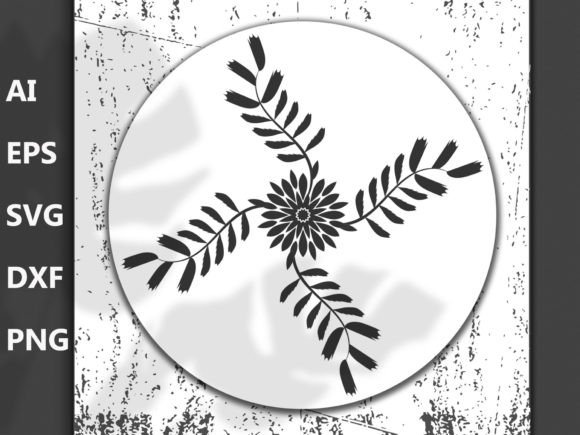
The visual personality of Mandala Ornaments leans heavily into symmetry and balance, which is exactly what you want when dealing with circular motifs. The mood it creates is one of calm precision. Unlike some chaotic or overly busy designs that struggle to find a home, these ornaments feel intentional. They possess a structural integrity that suggests they were designed with the limitations of thread and fabric in mind, rather than just being a vector drawing converted blindly into stitches.
For a designer, the layout is crucial. These graphics offer a contained energy, making them ideal for centered placements. Whether you are working on a tote bag design or a focal point on a pillow cover, the circular nature of the mandala draws the eye inward. It feels organic yet geometric, a combination that resonates well with current trends in boutique branding and handmade goods. The level of detail appears sufficient to create interest without becoming a nightmare of thread breaks or excessive run times, provided the scale is managed correctly.
Real-World Application: From Mockup to Finished Product
Let's move from theory to practice. Imagine a scenario where a client approaches you with a request for a high-end, personalized gift. They want a set of linen tea towels for a housewarming, or perhaps a custom sweatshirt embroidery piece for a small yoga studio. This is where Mandala Ornaments truly shines. Because the design is rooted in a circle, it adapts beautifully to curved surfaces and flat planes alike.
I recently considered this collection for a line of custom apparel intended for a local craft fair. The idea was to place a medium-sized mandala on the back of a heavyweight cotton hoodie. The symmetry of the design adds a level of professionalism that elevates a basic garment into a small shop product with perceived higher value. Customers often associate intricate, balanced patterns with quality craftsmanship. When they see a clean, well-executed mandala, they trust the brand more.
Beyond apparel, these assets are gold for home decor. Think about an embroidered patch applied to a canvas backpack or a denim jacket. The circular boundary of the mandala makes framing easy, whether you are using a satin stitch border or letting the raw edges of a fill stitch create a textured look. For holiday embroidery projects, such as ornament covers or table runners, the thematic flexibility of a mandala allows it to fit various color schemes simply by changing the thread colors.
Navigating Technical Challenges and Fabric Choices
However, no design is without its challenges, and a honest review must address where caution is needed. While Mandala Ornaments offers 21 files in formats like SVG, AI, DXF, EPS, PNG, and JPG, the transition from digital file to physical stitch requires vigilance. If you are planning to use these as a basis for a machine embroidery design, you must consider the stitch density.
Dense areas in mandala centers can sometimes cause puckering, especially on stretchy fabrics like jersey knits used in baby embroidery. If you are stitching on a thin fabric, the weight of the thread might distort the shape. In these cases, your choice of stabilizer becomes critical. A cut-away stabilizer is often safer than tear-away for designs with significant fill stitches to ensure the finished product maintains its shape after washing.
Curved surfaces present another hurdle. If you are attempting to place this on a cap or a structured hat, the circular design needs to be sized appropriately for the hoop. A design that is too large will wrap awkwardly around the curve, distorting the perfect symmetry that makes the mandala appealing. Similarly, very small hoop sizes might force you to reduce the design to a point where fine details merge into a blob of thread. Always test the design on scrap fabric first. Check how the satin stitch edges lay against the fabric texture and ensure that tiny corners don't get lost.
Enhancing Brand Value and Customer Trust
For Etsy sellers and creative entrepreneurs, the visual appeal of your listing images is just as important as the physical item. Mandala Ornaments serves double duty here. As high-resolution Graphics and Illustrations, the PNG and JPG files included in the pack are excellent for creating printable mockups. You can showcase what the final embroidered item will look like before you even thread the needle. This helps in gauging customer interest and refining your marketing materials.
Using a cohesive design element like a mandala across different products—say, a matching set of aprons, tote bags, and wall hangings—builds brand consistency. It signals to your buyers that you have a distinct style. This recognition fosters loyalty. When a customer receives a personalized gift featuring a well-executed mandala, the attention to detail reflects positively on your craft business. It tells them that you care about the presentation and the longevity of the item.
Practical Notes for the Professional Maker
Before committing to a full production run or listing a new item in your shop, keep these practical steps in mind:
- Verify Licensing: While the product description mentions the files are for creative projects, always confirm the specific license terms regarding commercial embroidery. Can you sell the stitched item? Can you sell the digital file itself? Clarity here protects your business.
- Check File Compatibility: The package includes SVG, AI, DXF, and EPS. Ensure your embroidery software can import these vectors if you plan to edit the stitch types (e.g., changing a fill to a running stitch) before converting to your machine's native format.
- Contrast Testing: Review the design in black and white mockups. High contrast reveals if the details will hold up on dark fabrics. A design that looks great on white might vanish on navy blue if the stitch definition isn't sharp enough.
- Hoop Confirmation: Measure the largest dimension of the mandala against your available hoop sizes. Don't assume it fits; measure it.
- Thread Selection: Mandalas often benefit from variegated threads or careful color blocking. Plan your thread colors to highlight the radial symmetry rather than fighting against it.
In conclusion, Mandala Ornaments represents a solid addition to a designer's library. It bridges the gap between decorative Illustrations and functional embroidery files. With the right preparation, fabric choice, and technical oversight, these designs can elevate everything from a simple kitchen towel to a signature piece of custom apparel. The key lies in respecting the geometry of the design and understanding the materials you are working with. When executed with care, the result is a handmade product that feels both timeless and professionally crafted.